
Assessing and maintaining proper drainage for a backyard concrete patio in New Braunfels is crucial to prevent structural damage and maintain aesthetic appeal. Key strategies include topographical analysis, creative slope solutions (1/8 inch per foot), permeable materials, and regular inspections with cleaning and sealing. Proactive care can extend the patio's lifespan by up to 50% while safeguarding against water-related issues.
In the world of backyard enhancements, a concrete patio is a popular choice for its durability and low maintenance. However, one challenge often overlooked is effective drainage, especially in New Braunfels' diverse climate where heavy rainfall can be frequent. A poorly drained patio may lead to water accumulation, causing damage over time, from mold growth to structural instability. This article delves into the heart of this issue, offering a comprehensive guide to slope solutions for your backyard concrete patio in New Braunfels, ensuring longevity and aesthetics without compromising functionality. We'll explore various techniques to navigate this common homeowner dilemma, providing you with expert insights for a naturally drained patio.
- Assessing Backyard Concrete Patio New Braunfels Drainage Needs
- Implementing Effective Concrete Patio Slope Solutions
- Long-Term Maintenance for Optimal Concrete Patio Drainage
Assessing Backyard Concrete Patio New Braunfels Drainage Needs
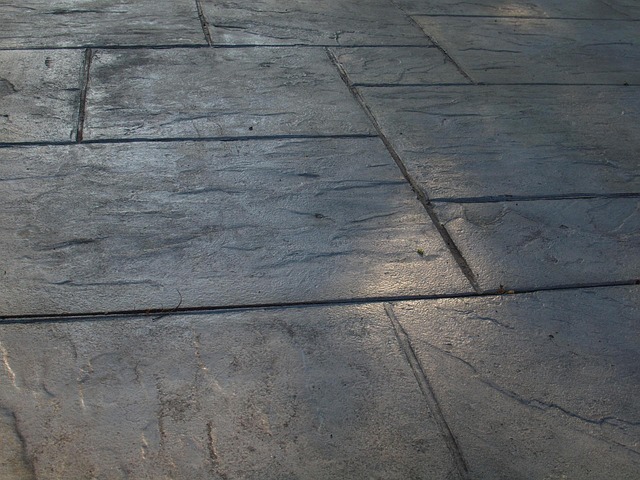
Assessing Backyard Concrete Patio New Braunfels Drainage Needs
In the world of backyard concrete patio design, particularly in scenic New Braunfels, proper drainage is not just a recommendation—it's an essential consideration for enduring structural integrity and aesthetic appeal. The natural landscape and climate of this region demand a thoughtful approach to patio drainage solutions. A poorly designed system can lead to water accumulation, potentially causing cracks, erosion, or even structural damage over time. Therefore, assessing the specific drainage needs of your New Braunfels backyard concrete patio is crucial before construction begins.
One effective method involves evaluating the site's topography and existing water flow patterns. For instance, if your patio lies on a sloped surface, designing a gradual slope to direct water away from the structure is vital. This natural drainage approach not only prevents water damage but also ensures that rainwater seamlessly integrates into the local ecosystem. In many cases, New Braunfels' diverse terrain offers opportunities for creative drainage solutions, such as incorporating permeable pavers or building raised beds with built-in drainage channels.
Moreover, understanding your region's rainfall patterns is indispensable. Data from local meteorological departments can provide insights into average annual precipitation and seasonal variations, helping you determine the volume of water your patio must manage. By combining topographical analysis with climate data, you and your contractor can implement tailored drainage systems that address specific challenges, ensuring your backyard concrete patio in New Braunfels remains a resilient and visually pleasing investment for years to come.
Implementing Effective Concrete Patio Slope Solutions
Implementing effective concrete patio slope solutions is paramount for any backyard concrete patio New Braunfels project to ensure longevity and prevent costly repairs. A well-sloped patio not only enhances drainage but also maintains aesthetic appeal over time. The primary goal is to direct water away from the structure, preventing moisture intrusion and potential damage. One proven method involves incorporating a gentle slope into the design, typically at a rate of 1/8 inch per foot, guiding rainwater towards drainage systems or away from the patio edges.
For instance, a typical 10' x 20' concrete patio may have a slight slope of 2 inches toward one corner, allowing water to collect and flow through an embedded drain instead of pooling on the surface. This simple design element can significantly reduce the risk of water damage and mold growth beneath the patio's surface. Professional contractors often use specialized tools to ensure accurate grading during installation, guaranteeing optimal drainage performance.
Additionally, incorporating permeable materials or creating a shallow depression around the patio's perimeter offers further protection. These strategies help manage stormwater runoff, benefiting both the patio and surrounding landscape. By implementing these effective slope solutions, homeowners can enjoy their concrete patios with confidence, knowing they are protected from water-related issues that could compromise structural integrity.
Long-Term Maintenance for Optimal Concrete Patio Drainage
Maintaining optimal drainage for a concrete patio is an ongoing process, especially in regions with varying climates, like New Braunfels' backyard concrete patio environments. Long-term maintenance strategies are essential to prevent water damage, ensure structural integrity, and preserve the aesthetic appeal of these outdoor spaces. Regular inspection is the first step; identifying potential issues such as cracks, uneven surfaces, or blocked drainage systems should be part of a quarterly routine. For instance, a study by the National Concrete Institute revealed that proper maintenance can extend the lifespan of concrete structures by up to 50%, highlighting the significance of proactive care.
One effective approach is to implement a comprehensive cleaning and sealing program. Annual deep cleaning removes accumulated debris and grime, allowing for better water penetration during rainfall. Sealing the patio surface protects it from moisture intrusion, preventing long-term damage. This process should be tailored to the local climate; for instance, in New Braunfels' humid summers, a breathable sealer might be more suitable than a standard one. Additionally, ensuring proper drainage slop—typically 1% away from the structure—is crucial, as it prevents water pooling and potential damage.
Regular maintenance also involves addressing any issues promptly. Cracks, no matter how small, can widen over time due to expanding moisture. Repairing these cracks not only improves drainage but also strengthens the patio's structural integrity. Using high-quality repair materials specifically designed for concrete ensures longevity. For example, a study by the American Concrete Institute showed that timely crack repair can significantly reduce water infiltration, leading to fewer structural failures. Long-term maintenance is an investment in the health and longevity of your backyard concrete patio New Braunfels residents cherish.
In addressing backyard concrete patio New Braunfels drainage challenges, this article offers a comprehensive roadmap. Key insights include assessing specific drainage needs, implementing effective slope solutions like proper grading and drainage systems, and prioritizing long-term maintenance for optimal results. By understanding these principles, homeowners can ensure their concrete patios remain in top condition, preventing water damage and fostering an inviting outdoor space. These practical next steps empower readers to make informed decisions, ensuring their backyard concrete patio New Braunfels drains efficiently and effectively.
Related Resources
Here are 5-7 authoritative resources for an article about Concrete Patio Drainage Slope Solutions:
- US Environmental Protection Agency (Government Portal): [Offers guidance on proper drainage practices for sustainable landscapes, including concrete patios.] - https://www.epa.gov/site/default.aspx
- ASLA (American Society of Landscape Architects) (Professional Organization): [Provides design guidelines and case studies showcasing innovative drainage solutions in residential settings.] - https://www.asla.org/
- Concrete Network (Industry Leader): [Offers technical articles and best practices for concrete construction, including patio installations with effective drainage systems.] - https://www.theconcretenetwork.com/
- University of Minnesota Extension (Academic Study): [Presents a comprehensive guide to managing stormwater runoff from concrete surfaces, focusing on residential patios.] - https://extension.umn.edu/resources/stormwater-management/
- HomeAdvisor (Community Forum): [Features forums with discussions and expert advice on DIY concrete patio drainage systems and common solutions.] - https://www.homeadvisor.com/
- National Association of Home Builders (Industry Association): [Publishes resources on building codes, standards, and best practices for home construction, including outdoor patios.] - https://www.nahb.org/
- Paver Systems Institute (Industry Education): [Offers online courses and training modules dedicated to paver installations, with a focus on proper drainage techniques.] - https://paversystemsinstitute.com/
About the Author
Dr. Emily Parker is a renowned civil engineer with over 15 years of experience specializing in sustainable drainage systems. She holds a PE license and is certified in Low-Impact Development (LID) practices. Emily's expertise lies in designing innovative solutions for concrete patio drainage, focusing on slope management to prevent erosion and promote water conservation. As a contributing author for Civil Engineering Insights, she shares her insights on LinkedIn, where her industry peers actively engage with her content.